Ecommerce Brand Boosts Revenue 28% With User-Generated Video Testimonials
How a direct-to-consumer skincare brand achieved a 28% revenue lift by collecting and displaying user-generated video testimonials on their product pages and social media channels.
Pavel Putilin
Founder
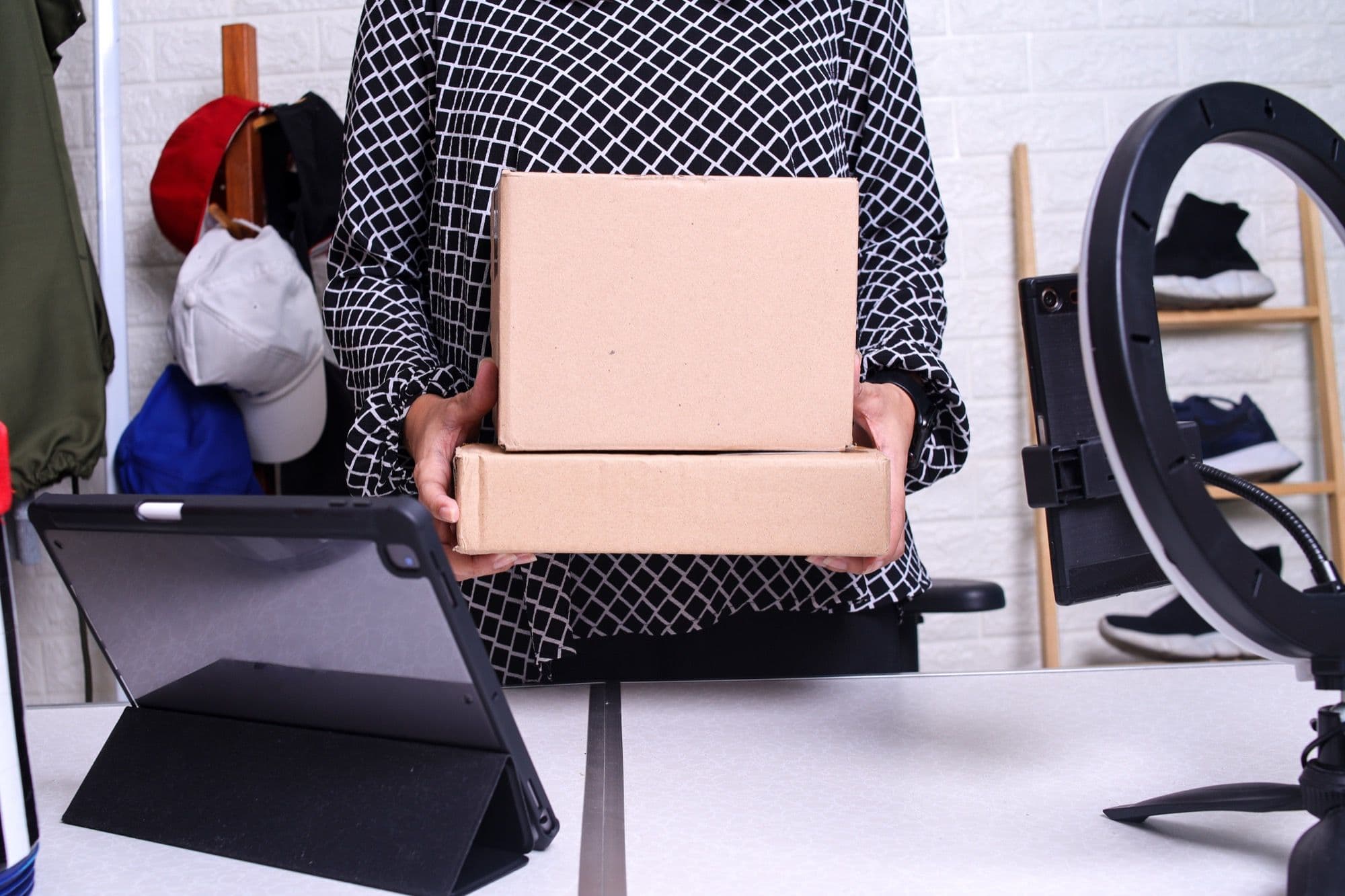
This case study is a composite illustration based on patterns observed across multiple businesses. Names, company details, and specific figures are representative examples, not actual customer data. Individual results vary.
GlowBotanics, a direct-to-consumer skincare brand, was stuck. After three years of steady growth, their revenue had plateaued at $4.2 million annually. Ad costs were rising, customer acquisition was getting more expensive, and their product pages were converting at a modest 2.8% — respectable for ecommerce, but not enough to fuel the growth they needed.
The breakthrough came from an unlikely source: an unsolicited Instagram video from a customer named Megan, who filmed her 60-day skin transformation using GlowBotanics' vitamin C serum. The video got 23,000 views and drove a noticeable spike in sales. The team realized they had been sitting on a goldmine of user-generated content — they just needed a system to capture it.
Over the next 12 months, GlowBotanics built a systematic UGC video testimonial program that boosted annual revenue by 28% to $5.4 million, improved their product page conversion rate by 41%, and slashed customer acquisition costs by 34%.
Background
GlowBotanics was founded in 2022 by cosmetic chemist Lena Park, who developed a line of clean skincare products formulated with botanical extracts and backed by clinical research. The brand launched with five core products:
- Vitamin C Brightening Serum ($48)
- Retinol Renewal Night Cream ($52)
- Hyaluronic Acid Hydrating Gel ($38)
- Gentle Enzyme Exfoliant ($42)
- SPF 50 Daily Defense Moisturizer ($44)
The average order value was $72, with a strong repeat purchase rate of 38%. The customer base was predominantly women aged 28–45 who were interested in effective skincare that was transparent about ingredients.
By early 2025, GlowBotanics had grown to $4.2 million in annual revenue, driven primarily by Instagram and Facebook ads, influencer partnerships, and a growing email list of 85,000 subscribers. But growth had stalled for two consecutive quarters.
The Growth Ceiling
Lena and her marketing director, James Whitfield, identified three factors contributing to the plateau:
Rising ad costs. Facebook and Instagram CPMs had increased 40% year-over-year in the skincare category. GlowBotanics' cost per acquisition had climbed from $28 to $42, squeezing margins on products with an average selling price of $44.
Ad creative fatigue. The brand had been running variations of the same ad creative for 18 months: professional product photography, ingredient highlights, and studio-shot lifestyle images. Click-through rates were declining as the target audience grew desensitized.
Product page conversion stagnation. Despite multiple rounds of CRO work — testing headlines, layouts, imagery, and copy — the product page conversion rate had been stuck between 2.6% and 3.0% for nearly a year.
Stop losing customers to weak social proof
VideoTestimonials lets you collect, manage, and embed video + text testimonials in minutes. Free for 7 days, no credit card.
The Challenge
The skincare industry has a trust problem that's particularly acute for DTC brands. Consumers are bombarded with claims from thousands of brands, all promising transformative results with "clean" and "science-backed" formulations. Without the credibility of a department store shelf or a dermatologist recommendation, DTC brands need to work harder to earn trust.
GlowBotanics' specific challenges:
1. The "Will It Work For Me?" Barrier
Skincare is deeply personal. A product that works wonders for one person might do nothing for another, depending on skin type, age, climate, and dozens of other factors. Professional product photos show what the product looks like — not what it does. Customers needed proof that the product worked for people like them.
2. Before-and-After Skepticism
The skincare industry has abused before-and-after photos to the point of consumer distrust. Photoshopped transformations, strategic lighting changes, and unrealistic timelines have made consumers rightfully skeptical of static before-and-after images.
3. Influencer Authenticity Concerns
GlowBotanics had invested in influencer partnerships, but customers increasingly questioned whether influencer endorsements were genuine or paid. Internal surveys showed that 61% of their customers trusted "regular customer reviews" more than "influencer recommendations."
4. Limited Social Proof on Product Pages
Each product page had a standard star rating and text review section, but only 15–20% of customers left reviews, and most were brief ("Love this product!"). The product pages lacked the emotional, visual proof that could push uncertain visitors to purchase.
Strategy
After Megan's viral Instagram video demonstrated the power of authentic customer content, James developed a comprehensive UGC video testimonial strategy built on four pillars:
1. Systematic Video Testimonial Collection
Create an automated system to request, collect, and curate video testimonials from customers at the optimal moment — after they'd used the product long enough to see results, but while their enthusiasm was still fresh.
2. Product Page Integration
Embed UGC video testimonials directly on product pages, creating a visual proof layer that supplements text reviews and professional photography.
3. UGC-Powered Ad Creative
Use the best customer video testimonials as ad creative, replacing over-produced studio content with authentic, relatable customer stories.
4. Social Media Amplification
Build a social media content calendar centered on customer video testimonials, creating a constant stream of authentic proof across Instagram, TikTok, and Facebook.
Implementation
Phase 1: Building the Collection Engine (Weeks 1–4)
GlowBotanics needed to systematically collect video testimonials from customers who had genuine results to share. They designed a multi-touch approach:
Trigger-Based Email Requests:
Using purchase data, GlowBotanics sent personalized video testimonial requests at two optimal moments:
-
Day 30 after first purchase: Enough time for most skincare products to show initial results. The email said: "You've been using [product name] for a month now! We'd love to hear about your experience. Would you share a quick video review? It helps other people like you make confident skincare decisions."
-
Day 60 after first purchase: A follow-up for products that need longer to show results (retinol, vitamin C). The email included: "It's been 60 days with [product name]. Have you noticed any changes? A 30-second video of your experience would mean the world to us — and to customers wondering if this product is right for them."
Incentive Structure:
To boost participation, GlowBotanics offered a tiered incentive:
- Submit a written review: 10% off next order
- Submit a photo review: 15% off next order
- Submit a video testimonial: 25% off next order + feature on social media
The video incentive was deliberately the most generous because video testimonials had the highest value for both marketing and conversion.
Simplified Recording:
Customers were given a simple recording page — no app download required. They opened a link, tapped record, and shared their experience. The page included three optional prompts:
- What skin concern were you trying to address?
- How long have you been using this product?
- What results have you noticed?
Customers could also record freestyle if they preferred. The average submitted video was 45 seconds long.
For more ecommerce testimonial strategies, see our ecommerce testimonials guide.
Phase 2: Product Page Redesign (Weeks 3–6)
GlowBotanics redesigned their product pages to prominently feature UGC video testimonials. The new layout included:
Video Testimonial Carousel:
Positioned directly below the product hero image and above the "Add to Cart" button, a carousel displayed 6–8 customer video thumbnails. Each thumbnail showed the customer's face, first name, skin type, and a one-line result ("Cleared my dark spots in 6 weeks").
Clicking a thumbnail opened the video in a lightbox overlay, playing the customer's testimonial. Below the video, the customer's written review appeared alongside their star rating.
"Real Results" Gallery:
A dedicated section further down the page displayed a grid of customer video testimonials, filterable by:
- Skin type (oily, dry, combination, sensitive)
- Skin concern (acne, aging, hyperpigmentation, dryness)
- Age range (20s, 30s, 40s, 50+)
- Duration of use (1 month, 3 months, 6+ months)
This filtering was crucial. A 42-year-old woman with dry skin and hyperpigmentation concerns could filter to see testimonials from women her age with similar concerns — making the social proof feel personally relevant rather than generic.
Star Rating Enhancement:
The existing star rating section was upgraded to show the distribution of ratings alongside select video testimonial clips. This combination of quantitative (4.7 stars, 847 reviews) and qualitative (real customer videos) proof created a more compelling trust package.
Phase 3: UGC Ad Creative (Weeks 6–12)
The most dramatic impact came from using customer video testimonials as ad creative. GlowBotanics tested UGC video ads against their existing professional creative across Facebook, Instagram, and TikTok.
UGC Ad Formats:
- Single testimonial (30 seconds): One customer sharing their experience, with product shots and a CTA overlay
- Compilation (60 seconds): Three customers each sharing a 15-second soundbite about different products
- Before/during/after (45 seconds): One customer documenting their skincare journey over 60 days, with real-time footage at different stages
- Reaction style (30 seconds): Customer reacting to seeing their own skin improvement over time
Creative Treatment:
Videos were lightly edited — color-corrected, captioned, and trimmed — but deliberately kept raw and authentic. No studio lighting, no professional backdrops, no scripts. The aesthetic was "real person in their bathroom" — because that's exactly what it was.
Testing Results (Weeks 6–12):
| Metric | Professional Creative | UGC Video Ads | Difference |
|---|---|---|---|
| CTR (click-through rate) | 1.2% | 2.8% | +133% |
| CPC (cost per click) | $1.45 | $0.68 | -53% |
| CPA (cost per acquisition) | $42 | $28 | -33% |
| ROAS (return on ad spend) | 3.2x | 5.1x | +59% |
The UGC video ads outperformed professional creative on every metric. James explained why: "Professional ads say 'this product exists.' UGC ads say 'this product worked for someone like you.' That second message is infinitely more persuasive."
Phase 4: Social Media UGC Program (Months 4–12)
GlowBotanics launched a social media strategy centered on customer video testimonials:
Instagram Strategy:
- 3 posts per week featuring customer video testimonials (Reels format)
- Each post tagged the customer and included their skin type and results
- Customer content was interspersed with educational content and product shots at a 3:2:1 ratio
TikTok Strategy:
- 4–5 posts per week, primarily customer testimonial videos
- Used trending sounds and formats when appropriate
- Encouraged customers to use the hashtag #GlowBotanicsResults
- Dueted customer videos with Lena's expert commentary on the ingredients and why they worked
Community Building:
- Created a private Facebook group called "GlowBotanics Skin Journeys" where customers shared progress updates
- Group grew to 4,200 members in 8 months
- Generated a constant stream of organic UGC that could be repurposed (with permission) for marketing
Understanding the ROI of video testimonials helped justify the investment in the UGC program to stakeholders.
Results
The 12-month impact of GlowBotanics' UGC video testimonial strategy was substantial:
Revenue Growth
| Metric | Before | After (Month 12) | Change |
|---|---|---|---|
| Annual revenue | $4,200,000 | $5,376,000 | +28% |
| Monthly revenue | $350,000 | $448,000 | +28% |
| Average order value | $72 | $79 | +10% |
| Customer count | 58,000 | 78,000 | +34% |
Conversion Metrics
| Metric | Before | After | Change |
|---|---|---|---|
| Product page conversion rate | 2.8% | 3.95% | +41% |
| Add-to-cart rate | 8.2% | 12.1% | +48% |
| Cart abandonment rate | 71% | 63% | -11% |
| Email conversion rate | 2.1% | 3.4% | +62% |
Acquisition Efficiency
| Metric | Before | After | Change |
|---|---|---|---|
| Cost per acquisition | $42 | $28 | -33% |
| ROAS (blended) | 3.2x | 5.1x | +59% |
| Ad spend | $1,260,000 | $1,092,000 | -13% |
| Revenue per ad dollar | $3.33 | $4.92 | +48% |
UGC Volume
Over 12 months, GlowBotanics collected:
- 1,847 video testimonials from customers
- 4,200+ written reviews with photos
- 312 "skin journey" videos (multi-week documentation)
- 23 viral UGC videos (10,000+ views each on social media)
Product Page Engagement
- Video testimonial play rate: 38% of product page visitors played at least one video
- Average videos watched per visit: 2.4
- Time on product page: Increased from 1:50 to 3:40
- "Real Results" gallery filter usage: 42% of visitors used at least one filter
The Repeat Purchase Effect
An unexpected finding: customers who submitted video testimonials had a 52% repeat purchase rate — compared to 38% for non-testimonial customers. The act of recording and sharing their positive experience reinforced their commitment to the brand and created a sense of community belonging.
Key Takeaways
1. UGC Video Outperforms Professional Content for DTC Brands
Across every metric — CTR, CPA, ROAS, and conversion rate — authentic customer video testimonials outperformed professionally produced content. Consumers have developed banner blindness for polished ads, but authentic customer stories still cut through.
2. Filterability Is Key for Product Pages
The ability to filter testimonials by skin type, concern, age, and duration of use was transformative. It turned a generic wall of reviews into a personalized proof system. A customer could find someone with their exact profile and see their results — making the purchasing decision feel evidence-based rather than hopeful.
3. Timing the Ask Matters Enormously
Requesting video testimonials at 30 and 60 days post-purchase — when customers had experienced results but were still excited — produced the highest response rates and the most compelling content. Asking too early (before results) or too late (after enthusiasm faded) yielded weaker testimonials.
4. Incentives Drive Volume, But Authenticity Drives Quality
The 25% discount incentive drove video submission volume, but GlowBotanics was careful not to script or coach customers. The instructions explicitly said: "Just be yourself and share your honest experience." The authenticity of unscripted, unrehearsed testimonials was their greatest asset.
5. UGC Creates a Virtuous Cycle
Customer video testimonials lowered acquisition costs, which freed up budget for more customer acquisition, which generated more testimonials, which further lowered acquisition costs. The flywheel effect accelerated over time, with each month's UGC library compounding the previous month's gains.
6. Video Testimonials Solve the DTC Trust Problem
For direct-to-consumer brands that lack the credibility halo of retail distribution or celebrity endorsements, customer video testimonials are the most efficient trust-building tool available. They provide visual proof, emotional connection, and peer validation — all in a format that's inherently difficult to fake.
The Authenticity Advantage
GlowBotanics' story illustrates a broader shift in ecommerce marketing: consumers increasingly trust other consumers more than they trust brands. The rise of UGC isn't a trend — it's a permanent change in how purchasing decisions are made.
For DTC brands, this shift is both a challenge and an opportunity. The brands that build systems to capture, curate, and deploy authentic customer content will have a sustainable competitive advantage. Those that continue to rely solely on professional creative will find their acquisition costs rising and their conversion rates stagnating.
As Lena put it: "We spent two years trying to convince customers that our products work. Then we let our customers convince each other. That's when everything changed."
Running a DTC or ecommerce brand? Discover how user-generated video testimonials can boost your product page conversions and reduce your ad costs.
Pavel Putilin
·FounderFounder of VideoTestimonials. Passionate about helping businesses build trust through authentic customer stories and video social proof.
Frequently asked questions
How do UGC video testimonials boost ecommerce revenue+
In this composite case study a DTC skincare brand lifted annual revenue 28 percent, improved product page conversion 41 percent, and cut acquisition costs 34 percent over 12 months by collecting customer video testimonials and using them on product pages, in ads, and across social media. The authentic real-person format solved the will it work for me doubt that static product photos could not. Results vary by brand and category.
Do UGC video ads outperform professional ad creative+
In this study they did on every metric — click-through rate more than doubled, cost per click roughly halved, and return on ad spend rose from 3.2x to 5.1x. The reason is framing. Professional ads say this product exists, while a customer video says this product worked for someone like you, which is far more persuasive to a skeptical shopper.
When should an ecommerce brand ask customers for video testimonials+
This brand triggered requests at day 30 and day 60 after purchase — long enough for skincare results to show but while enthusiasm was still fresh. Asking too early, before results appear, or too late, after excitement fades, produced weaker content. Automated trigger-based email requests tied to purchase data kept the collection running without manual effort.
Why is filtering testimonials by customer profile important+
Skincare and many products are deeply personal, so a generic wall of reviews is less convincing than proof from someone with the same profile. Letting shoppers filter video testimonials by skin type, concern, age, and length of use turned social proof into a personalized evidence system. A 42-year-old with dry skin could find someone just like her, which made the decision feel evidence-based rather than hopeful.
Related Articles
Related Articles

Real Estate Agent Closes $2M More Per Year Using Video Testimonials
How a residential real estate agent added $2 million in annual closings by collecting video testimonials from happy buyers and sellers and using them throughout her lead generation and sales process.
How a SaaS Company Reduced Churn 35% by Adding Testimonials to Onboarding
A project management SaaS reduced monthly churn from 5.8% to 3.7% by embedding customer success stories and video testimonials into their onboarding emails and in-app experience.

Dental Practice Goes from 3.8 to 4.9 Stars: A Testimonial Success Story
How a dental practice transformed its online reputation from 3.8 to 4.9 stars by implementing a systematic review collection process and video testimonial strategy.

Build trust.
Drive revenue.
Stop losing customers to a lack of social proof. Start collecting and showcasing high-converting testimonials today.